
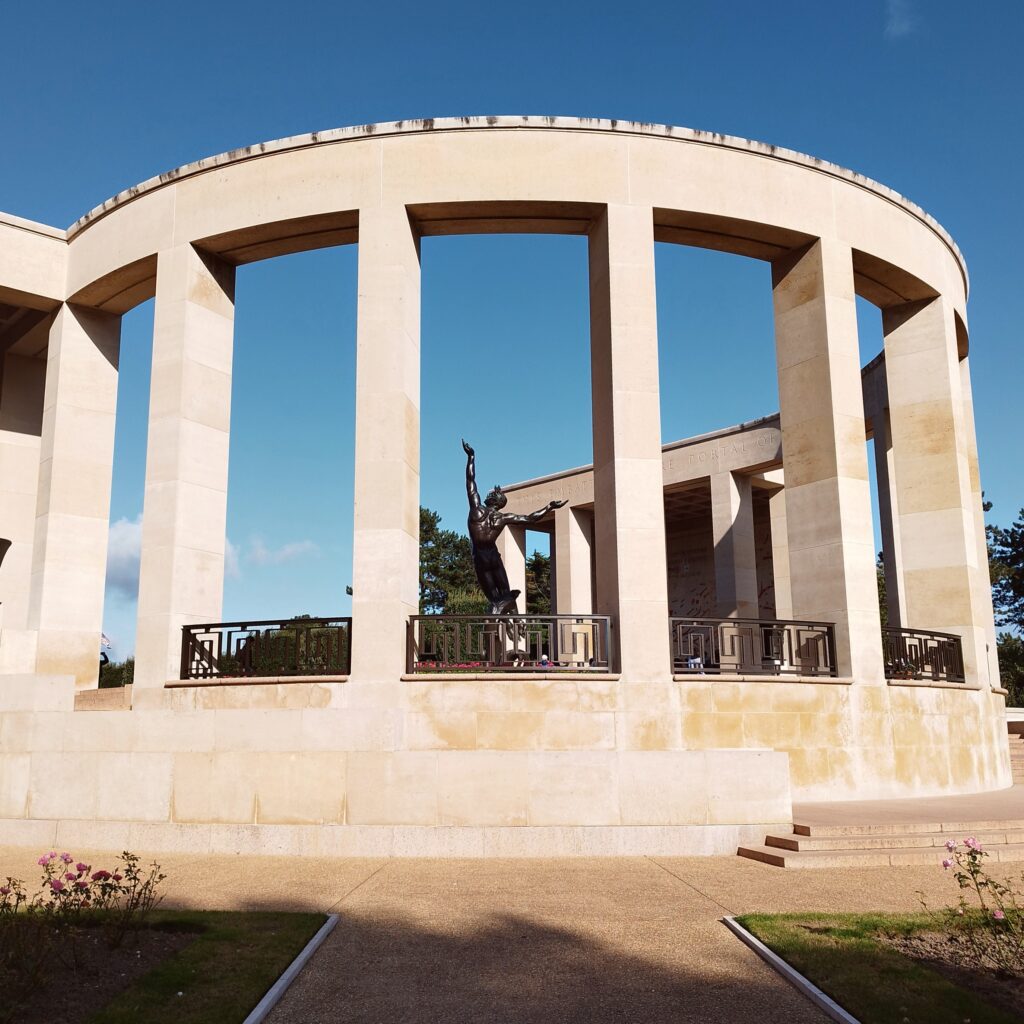
On July 26, 2026, the iconic D-Day landing beaches in Normandy were officially inscribed on the UNESCO World Heritage List, marking the culmination of a project that began nearly two decades ago.
Stretching for more than 80 kilometers along the Normandy coastline, the beaches where Allied forces landed on June 6, 1944, witnessed one of the most significant military operations in modern history. The D-Day landings played a decisive role in the liberation of Western Europe from Nazi Germany and ultimately contributed to the end of World War II.
The UNESCO nomination covers all five of the famous landing sectors: Utah, Omaha, Gold, Juno and Sword.
This international recognition highlights the exceptional historical significance of these sites and their importance to future generations. It also brings a responsibility to preserve the landscapes, monuments and remains connected to the D-Day landings, while ensuring that their history continues to be shared with visitors from around the world.
The D-Day beaches now join more than 50 other French sites already inscribed on the UNESCO World Heritage List, including the iconic Mont-Saint-Michel and the Palace of Versailles.
Their recognition as a site of Outstanding Universal Value gives the D-Day beaches an even greater international profile and reinforces the commitment to protecting and preserving these historic landscapes for generations to come.